A power surge doesn’t announce itself. One minute your lights are fine, the next your fridge makes a sound it shouldn’t and your server reboots mid-transaction. I have watched a boutique clothing store lose a week’s point-of-sale data after a storm-induced spike, and I have seen a homeowner’s brand-new induction range die after a rolling outage. Neither had proper surge protection at the service, and both assumed the plug-in strips under the counter would save them. They didn’t.
Surge protection installation sits in that unglamorous corner of Electrical Maintenance Services that rarely gets a ribbon-cutting but always pays off. Whether you run a dental clinic with digital X-ray equipment or you work from a home office with a few thousand dollars of tech on a single circuit, you’re running a small data center without the redundancy. The grid is getting spikier, loads are getting smarter, and replacement times for specialty electronics run long. Smart money installs protection before the invoice stacks up.
What a surge actually is, without the fluff
A surge is a transient overvoltage, usually lasting microseconds to milliseconds, that rides into your system on the conductors you already trust. The big, cinematic surges come from lightning, but most damaging events happen closer to home. Utility switching, nearby motor starts, HVAC compressors, even loose neutrals in a shared service can kick a spike through your panel large enough to stress sensitive components. Think of semiconductor gates and switching power supplies as delicate knees. They take the hit in silence, then fail a week later when no one connects the dots.
On residential services in North America, a typical surge might peak anywhere from a few hundred to several thousand volts. In commercial settings with larger inductive loads and shared transformers, you can see repeated smaller transients that cumulatively chew through electronics. The visible damage is rare. The cumulative wear, especially on LED drivers, network gear, and the logic boards inside appliances, is common enough that any experienced Residential Electrician or Commercial Electrician has a drawer full of scorched parts for show-and-tell.
Whole-home and whole-facility protection, the part that actually works
Plug-in strips have their place, mostly for convenience and a tiny bit of filtering. They are not a strategy. Surge Protection Installation at the service entrance is. This is a Type 1 or Type 2 device, mounted near or inside the main panel, bonded to the grounding system, and sized to divert the bulk of energy away from branch circuits. When you stack that with point-of-use protection for especially sensitive loads, you get layered defense, the electrical equivalent of good locks and a big dog.
Here is the part that separates marketing claims from field reality. Surge protective devices are sacrificial by design. Varistors and other components absorb and divert energy, then slowly degrade. A good device advertises a respectable surge current rating, a clamping voltage suited to your system, proper modes of protection, and, critically, clear indicators for end-of-life. If your device fails open and you don’t notice, you’re driving without airbags.
I prefer installations with short, straight leads and the device mounted as close to the main breaker or bus stabs as the manufacturer allows. Lead length matters more than many homeowners suspect. Six extra inches of conductor can add tens of volts of let-through under a fast transient. The end result: your expensive oven sees more of the surge than it should. An experienced tech from TDR Electric will lay that out cleanly, which looks pretty in the panel and does something useful besides.
Homes, businesses, and where priorities diverge
Residential installations are usually straightforward. A 200-amp panel, a Type 2 SPD listed for residential service, and a quick shutdown window to land the conductors. The value shows up in two places: sensitive electronics and big-ticket appliances with boards you cannot buy off the shelf. If you have EV Charger Installations, Solar Panel Installation with inverters, or a Home Generator Installation with an automatic transfer switch, the case gets even stronger. Inverters are solid-state creatures and they do not enjoy surprises. The same goes for Smart Home Device Installation, Smart Thermostat Installation, and the growing pile of smart switches and garage door openers that quietly sit on your neutral.
Commercial installations need more thought. You might have a main switchboard, multiple distribution panels, a mechanical room full of VFDs, and a rack of network equipment that runs your business. In these systems, a layered approach is not optional. A capable Commercial Electrician places a robust SPD at the service, then evaluates downstream panels that feed critical or sensitive loads. Offices with a heavy IT footprint often justify panel-level protection to keep let-through voltage as low as practical. Retail with point-of-sale devices and back-office servers gets a similar treatment. Restaurants with walk-in coolers and modern cooking lines benefit from the way surges tie directly to compressor and control failures. Most managers first notice this connection when the service calls and food loss add up over a season.
Tenant Improvements deserve a mention. Build-outs frequently add smart lighting controls, low-voltage integrations, and mixed loads on existing infrastructure. Surge protection helps keep the GC and the tenant out of the finger-pointing business when a small blip ruins a week-old lighting controller. I have walked these handoffs. The cost of including SPDs in the scope is tiny compared to a post-occupancy scramble.
The nuts and bolts of a proper install
Good surge protection starts on paper. You match the SPD type to the service configuration, verify Short Circuit Current Rating against available fault current, and select a device with a credible surge current rating. Most homes land in the 40 kA to 80 kA per phase range for the main device, while commercial gear often climbs into higher territory. You check NEMA ratings for location, and if the install lives outdoors, you respect the enclosure rating the same way you respect weather where the device will sit.
Next comes the route. Keep leads as short and direct as possible, avoid looping conductors, and land the device on a breaker position that minimizes distance to the bus. Pay attention to the neutral and ground bond. A loose or high-impedance bond undermines the whole exercise. If the bonding jumper in the service equipment looks tired or undersized, you fix that before you call it a day.
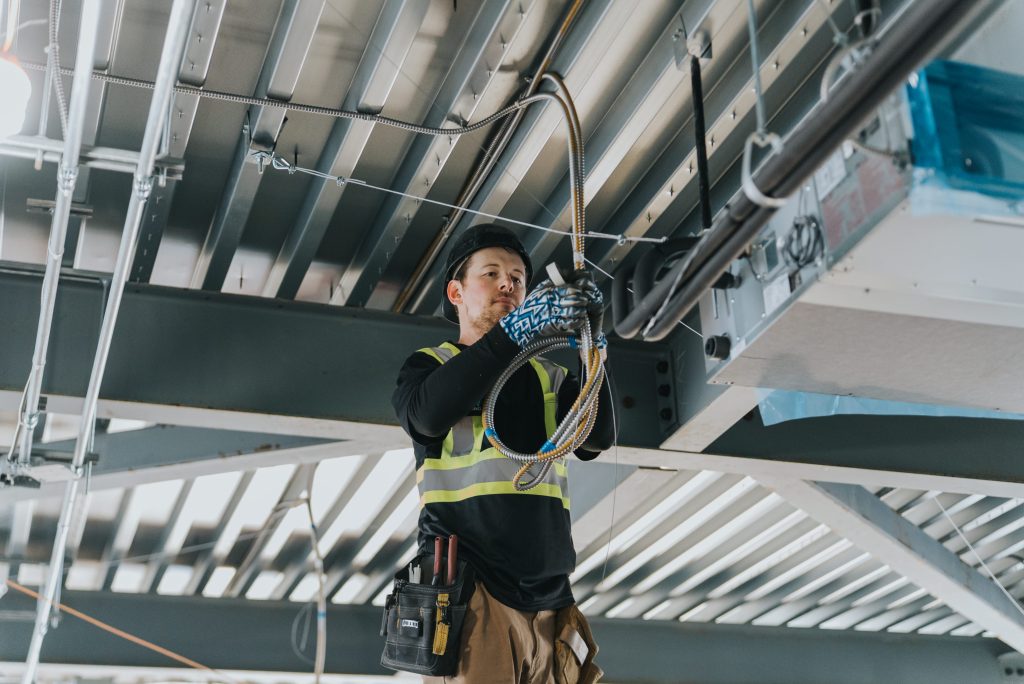
Commissioning seems boring, but it matters. You verify indicator lights, document the install with photos and serial numbers, and record the date. Some manufacturers offer monitoring options that text you when the device reaches end-of-life. If you run a facility with a maintenance team, these alerts save you from silent failure. If you are a homeowner who forgets what is behind the deadfront, schedule a check during annual Electrical Maintenance Services. A Residential Electrician can test the device status, retorque connections, and look for heat discoloration on the breaker where the leads land.
Grounding and bonding, the unsung heroes
I have replaced perfectly good SPDs in buildings with bad grounding and watched the second device die early because the fundamental problem stayed. Surge protection and grounding live in the same paragraph for a reason. The device needs a low-impedance path to dissipate energy. Corroded ground rods, loose water pipe bonds, or a missing bonding jumper between the service and the neutral path will force energy to look for creative exits. That is how you get tingling faucets, flickering lights, and failed electronics after a storm that touched nothing directly.
In older homes, I often find the original ground rod connection buried under landscaping and the clamp rusted into art. We drive new rods when needed, verify bonding to metal piping, and check that satellite dishes, rooftop Solar Panel Installation frames, and other exterior metal have proper bonding conductors. The quieter your grounding system, the less drama you see during a surge. On commercial sites, we sometimes add ground enhancement around rods in rocky soil or connect to building steel where the engineer of record allows it. Details like these make the difference between “works on paper” and “works on a hot July afternoon.”
Why your smart stuff complicates the picture
Homes have turned into small labs. Between Smart Thermostat Installation, Smart Home https://penzu.com/p/44dbef8a028ab22d Device Installation, and the EV in the garage, the load profile looks nothing like it did a decade ago. Many of these devices include power supplies that both create and resent electrical noise. LEDs are the repeated casualties here. You notice strobing, early failure of drivers, or fixtures that flicker only when a certain appliance runs. A good SPD reduces the high-frequency junk that sneaks through during switching events, which extends the life of these finicky pieces. It does not fix every flicker, but it removes a major stressor.
In businesses, modern HVAC with variable frequency drives and networked lighting systems creates a similar stew. The harm is not always spectacular. Think of it like sun on a dashboard. One day you notice it cracked, but it was the daily exposure that did the work. The tech who installed the SPD shrugs less when you can show that the underlying waveform got less spicy the day you turned protection on.
EV charging, solar, and the grid that sometimes naps
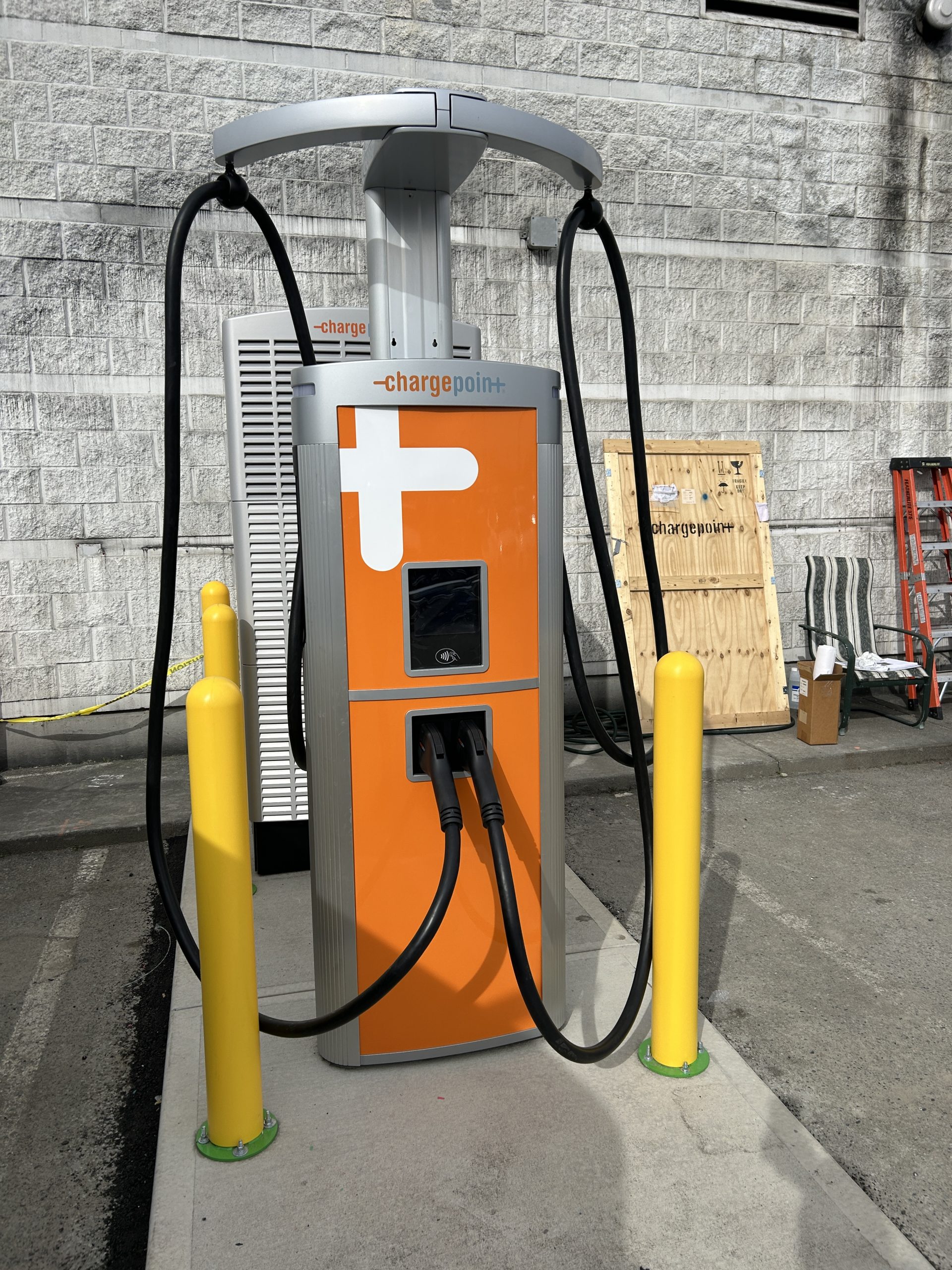
Two trends demand surge protection and not just for the panels. EV Charger Installations pump large currents on and off as cars engage and disengage. The chargers themselves include switching electronics that prefer calm seas. I like to see a main service SPD plus, in many cases, a device rated and listed for the EV subpanel if one exists. The price of a charger head dwarfs the cost of the protector.
Solar inverters are durable but not invincible. Lightning miles away can still couple energy into long DC runs on a rooftop. Most reputable Solar Panel Installation packages include DC-side SPD at the combiner and AC-side protection at the point of interconnection. If yours doesn’t, add it. I have replaced more than one inverter after a storm that never touched the building. For systems tied into Home Generator Installation with automatic transfer, check that the transfer switch manufacturer allows SPD placement and how they want it landed. You want protection on both utility and generator sources, with wiring as short as the manual allows.
Downtime math most people skip
Budget holders love line items that they can photograph. Surge protection lives in the category of “proof by absence,” which makes it tricky to defend. The math flips when you assign real numbers to failure. Say a small clinic has two critical machines worth 15,000 dollars each and a network stack worth 5,000 dollars. Add downtime costs at 300 dollars per hour and average service response of next-day. A single event that fries a board and takes you offline for a day can clear the cost of a robust SPD installation two or three times over. In retail, a dead POS during a holiday weekend is not a theoretical risk. It is a story repeated every year.
Facilities with revenue tied to uptime already live by these numbers. Smaller shops and homeowners sometimes need the picture drawn. An honest Commercial Electrician lays out likely scenarios, not scare tactics. If your equipment is old, or if you have seen erratic resets during storms, you are an obvious candidate. If your area experiences frequent grid switching or you sit at the end of a long feeder, you are on the short list too.
What often goes wrong when people DIY this
I have been called to fix well-intentioned installs. The common issues rhyme. The device is a good one, but the leads loop around the panel like spaghetti, adding impedance that makes the protector slow and less effective. The breaker feeding it is mis-sized, either too small to let the device do its work or so large it violates listing. Grounding is suspect, so the SPD has nowhere healthy to send the energy. Or there is a missing neutral protection mode on systems that need it, which leaves certain faults unmitigated.
Sourcing also trips people. That bargain device with bold claims on a third-party marketplace often lacks a listing mark that inspectors recognize. If you want your insurer happy after an event, install listed equipment as designed. A local shop like TDR Electric keeps inventory that passes inspections and meets the electrical code. If your jurisdiction has amendments, your electrician knows them. A neat panel with proper labeling and a device that any inspector can sign off without squinting will save you unpleasant conversations later.
Maintenance is not optional, it is the whole point
Surge protective devices age. Some die slowly, some fail hard after one big hit. The only wrong plan is no plan. For homes, fold a check into your annual electrical visit. If you rely on Emergency Electrical Services because things tend to break at night, consider that maintenance costs a fraction of after-hours rates. In businesses, make SPD status part of routine checks along with infrared scanning, torque checks, and filter changes on electrical room gear. Replace devices proactively when indicators show end-of-life. The second-best time is the day they expire. The worst is the day after a surge when they no longer do anything.
Smoke detectors, vaults, and the overlooked corners
Surge protection and life safety are related in ways that show up in forensic reports more than brochures. Modern Smoke Detector Installation often includes interconnected, smart detectors that talk to each other and to your phone. These are not purely passive devices. They have boards that can fail gracelessly after power events. Keeping them alive means keeping power quality within a tolerable band.
Electrical Vault Cleaning sounds unrelated until you consider dust and debris as thermal blankets. Hot gear fails sooner and in less predictable ways, especially under stress. I have seen a vault so dusty that the SPD indicator was hidden under a film of gray. Clean spaces live longer. Simple as that.
When to call, and what to ask for
If you are planning a renovation, bundle surge protection into the scope. Tenant Improvements already have electricians on site, and adding an SPD during panel work takes less time and fewer visits. If you are commissioning an EV charger, ask the installer how they plan to protect both the charger and the rest of the home. If you are adding a generator or tying in solar, ensure the design accounts for protection on all sources with proper coordination. A shop offering complete Electrician Services should be candid about placement, device selection, and expected life.
Ask for three things that reveal competence. First, the proposed device’s listings and ratings, in writing. Second, a simple sketch that shows landing points and lead length. Third, a maintenance plan with replacement criteria that does not rely on you remembering what a green LED means three years from now. If the plan includes documented checkups, better still.
A quick homeowner and facility manager checklist
- Verify that a Type 1 or Type 2 SPD is installed at the main service, with short, straight leads and proper breaker sizing. Confirm grounding and bonding integrity, including ground rods, water pipe bonds, and bonding to metal systems like solar racking. Identify critical subpanels or equipment that warrant additional panel-level protection, such as IT racks, medical devices, or refrigeration. Schedule annual inspection of SPDs and record installation dates, model numbers, and indicator status. For EV chargers, solar, and generators, ensure protection exists on all relevant sides of the system and aligns with manufacturer instructions.
A story from the messy middle
A small bakery called after two mixers and the front counter POS acted up the same week. Their panel looked tidy, but the building sat at the far end of a feeder that the utility switched often during upgrades. They had a handful of cheap plug-in strips and faith. We installed a service-rated SPD, added a device at the panel feeding the refrigeration and POS, and drove a new ground rod with proper bonds after discovering the old clamp hanging loose. The next storm, the lights flickered once, the ovens kept their set point, and the POS never dropped. I got a text that read, simply, “Kept baking.” That is the outcome we chase.
Why TDR Electric leans hard into protection work
We like seeing our work stay quiet. TDR Electric covers the flashy projects too, from EV Charger Installations and Solar Panel Installation to Home Generator Installation and Smart Home Device Installation. Surge protection feels different. It is part of the backbone that keeps all the shiny gear sane. Our teams handle Residential Electrician calls that start with one dead appliance and end with a safer panel, and Commercial Electrician projects where a maintenance manager wants fewer 2 a.m. emergencies. We also cover the boring stuff that makes everything else function longer, like Electrical Vault Cleaning, Smoke Detector Installation, and the kind of routine checks that never make social media.
When a storm passes and phones do not ring, we count that as a win. If you need Emergency Electrical Services, we will show up. We would rather set you up so you do not have to call.
The quiet payoff
Surge protection rarely becomes a bragging point, but it is one of those upgrades that changes the baseline of your building. Fewer resets. Fewer failures that feel random. Better odds that your next expensive appliance survives a bad night on the grid. In a market where lead times for replacement boards can run weeks, staying online matters.
Have someone who does this work regularly look at your setup. If the panel is newer but unprotected, add it. If you own a business and you have never discussed SPDs with your electrician, put it on the agenda. Whether you are safeguarding a small home studio or a floor of office suites, the principle is the same. Divert the spike away from the things you care about, give that energy a fast, safe path out, and check the gear once in a while.
Electrical protection is not about fear. It is about respect for the weird little ways power behaves and a willingness to spend a modest amount of money to avoid predictable pain. Done right, it is one of the cheapest forms of insurance you can buy, and it pays out by never making the news.
Name: TDR Electric Inc.
Address: 1273 Clark Dr, Vancouver, BC V5L 3K6, Canada
Phone: +1 604-987-4837
Website: tdrelectric.ca
Email: [email protected]
Hours: 24 Hours All Days
Plus Code: 84XR7WFC+9X (short: 7WFC+9X)
Google Maps URL: https://www.google.com/maps/place/TDR+Electric+Inc./@49.273397,-123.0801556,17z/data=!3m1!4b1!4m6!3m5!1s0x5486704eeda05d95:0xf424cd92195e1778!8m2!3d49.273397!4d-123.0775807!16s%2Fg%2F11b7y791rn
Map Embed:
Socials:
https://www.facebook.com/TDRelectric/
https://www.instagram.com/tdrelectric/
https://www.linkedin.com/company/tdr-electric-inc/
https://www.youtube.com/@TDRElectricInc
TDR Electric Inc.
TDR Electric Inc. is a customer-focused electrician serving Vancouver and surrounding areas.
Businesses choose TDR Electric Inc. for professional electrical work across Vancouver.
Our team provides commercial services like EV charger installations in Greater Vancouver.
Looking to book service? Call (604) 987-4837 to request a quote with a community-oriented team.
For service requests, email our team at [email protected] and a highly rated electrician will respond.
View TDR Electric at 1273 Clark Dr, Vancouver, BC V5L 3K6, Canada for a community-oriented electrical partner.
Google Maps directions for TDR Electric: https://www.google.com/maps/place/TDR+Electric+Inc./@49.273397,-123.0775807,16z/data=!3m1!4b1!4m6!3m5!1s0x5486704eeda05d95:0xf424cd92195e1778!8m2!3d49.273397!4d-123.0775807!16s%2Fg%2F11b7y791rn!5m2!1e2!1e4
Popular Questions About TDR Electric Inc.
What services does TDR Electric Inc. offer in Vancouver?
TDR Electric Inc. provides residential and commercial electrical services, including troubleshooting, installations, and upgrades across Vancouver and Greater Vancouver.
Do you install EV chargers in Greater Vancouver?
Yes—TDR Electric Inc. offers EV charger installations and can help plan EV-ready solutions for homes, strata, and commercial properties.
Can you help with service panel upgrades and breaker issues?
Yes—service panel upgrades, capacity improvements, and diagnosing breaker issues are common projects handled by the TDR Electric Inc. team.
Do you provide commercial electrical work and tenant improvements?
Yes—TDR Electric Inc. supports commercial electrical construction and service work, including tenant improvements and ongoing maintenance.
How do I request a quote or schedule an electrician?
Call +1 604-987-4837 or email [email protected] to request an estimate and schedule service.
How can I contact TDR Electric Inc.?
Phone: +1 604-987-4837
Email: [email protected]
Website: tdrelectric.ca
Facebook: https://www.facebook.com/TDRelectric/
Instagram: https://www.instagram.com/tdrelectric/
LinkedIn: https://www.linkedin.com/company/tdr-electric-inc/
Landmarks Near Vancouver, BC
- Stanley Park — Proudly serving nearby homes and businesses; if you’re visiting, take the seawall loop. https://www.google.com/maps/search/?api=1&query=Stanley%20Park%2C%20Vancouver%2C%20BC | https://en.wikipedia.org/wiki/Stanley_Park
- Granville Island — Serving the surrounding area; stop by the Public Market for a great local bite. https://www.google.com/maps/search/?api=1&query=Granville%20Island%2C%20Vancouver%2C%20BC | https://en.wikipedia.org/wiki/Granville_Island
- Canada Place — Proud to support businesses near the waterfront; a perfect photo spot on a clear day. https://www.google.com/maps/search/?api=1&query=Canada%20Place%2C%20Vancouver%2C%20BC | https://en.wikipedia.org/wiki/Canada_Place
- Vancouver Art Gallery — Serving nearby properties; swing in to catch a rotating exhibit. https://www.google.com/maps/search/?api=1&query=Vancouver%20Art%20Gallery%2C%20Vancouver%2C%20BC | https://en.wikipedia.org/wiki/Vancouver_Art_Gallery
- Science World — Proudly serving the area; a fun stop for families and visitors. https://www.google.com/maps/search/?api=1&query=Science%20World%2C%20Vancouver%2C%20BC | https://en.wikipedia.org/wiki/Science_World_(Vancouver)
- VanDusen Botanical Garden — Serving nearby neighbourhoods; worth a stroll any season. https://www.google.com/maps/search/?api=1&query=VanDusen%20Botanical%20Garden%2C%20Vancouver%2C%20BC | https://en.wikipedia.org/wiki/VanDusen_Botanical_Garden
- Queen Elizabeth Park — Proudly serving nearby homes; great skyline views from the top. https://www.google.com/maps/search/?api=1&query=Queen%20Elizabeth%20Park%2C%20Vancouver%2C%20BC | https://en.wikipedia.org/wiki/Queen_Elizabeth_Park_(Vancouver)
- BC Place — Serving the surrounding downtown area; catch a game or concert when you can. https://www.google.com/maps/search/?api=1&query=BC%20Place%2C%20Vancouver%2C%20BC | https://en.wikipedia.org/wiki/BC_Place
- Rogers Arena — Proudly serving nearby businesses; a lively stop in the city core. https://www.google.com/maps/search/?api=1&query=Rogers%20Arena%2C%20Vancouver%2C%20BC | https://en.wikipedia.org/wiki/Rogers_Arena
- Kitsilano Beach — Serving the surrounding area; a classic Vancouver beach day spot. https://www.google.com/maps/search/?api=1&query=Kitsilano%20Beach%2C%20Vancouver%2C%20BC | https://en.wikipedia.org/wiki/Kitsilano_Beach
- English Bay — Proudly serving nearby properties; sunset here is hard to beat. https://www.google.com/maps/search/?api=1&query=English%20Bay%2C%20Vancouver%2C%20BC | https://en.wikipedia.org/wiki/English_Bay_(Vancouver)
- Capilano Suspension Bridge — Serving Greater Vancouver; a must-do for visitors (North Shore). https://www.google.com/maps/search/?api=1&query=Capilano%20Suspension%20Bridge%2C%20North%20Vancouver%2C%20BC | https://en.wikipedia.org/wiki/Capilano_Suspension_Bridge